Why Personal Branding Is Crucial for Founders in 2025
In today’s hyper-connected market, a founder’s personal brand holds just as much weight as the company’s product. Founders and CEOs are no longer behind-the-scenes operators. They are now the public face that investors, customers, and partners look to for trust, vision, and credibility.
A few data points underscore the shift:
- 81 percent of investors have made a decision based on a company’s digital presence. Platforms like LinkedIn, Twitter, and Google are now screening tools for founder credibility.
- 82 percent of people say they trust a company more when its senior executives are active on social media.
- Nearly 50 percent of a company’s reputation is tied directly to the reputation of its CEO.
- 77 percent of consumers are more likely to buy from a company if its CEO is visible online.
- 87 percent of executives believe that building a strong personal brand helps attract investors.
Your personal brand is business capital. It can draw in customers, top talent, and new opportunities. If left unmanaged, it can quickly become a blind spot. With digital visibility and remote work now standard, founders must shape their online narrative deliberately.
A recent survey showed that 95 percent of professionals invest in personal branding to generate profit or business opportunities. Whether it’s a well-crafted LinkedIn post, a podcast interview, or a keynote speech, the founder’s voice has become one of the most powerful tools for company growth.
Building a founder brand that truly resonates takes time and precision. From messaging clarity and consistent content to PR strategy and visual identity, it is a multi-layered effort. The top personal branding agencies understand that. They build end-to-end systems that sharpen your story, boost your visibility, and turn influence into measurable results.
The list below features 10 of the best personal branding agencies in the world today. Each one specializes in building strong executive brands for founders across the US, UK, Canada, and beyond. From bold visual studios to high-impact PR firms, every agency on this list brings a unique approach to helping founders rise.
Now, let’s explore each of these top agencies in detail, and see how they help founders craft powerful personal brands.
1. Ohh My Brand
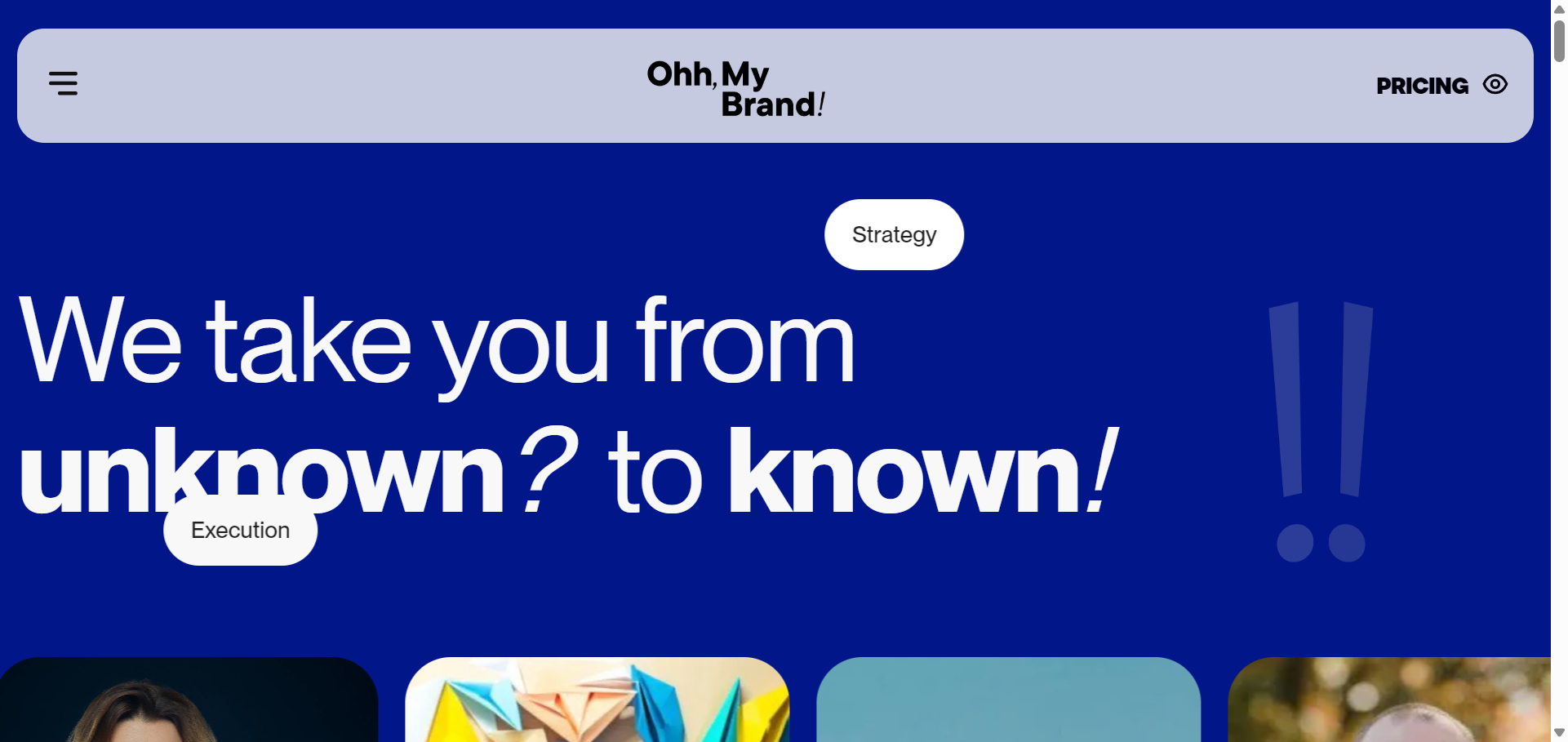
Ohh My Brand is a global personal branding agency focused on helping founders, CEOs, and thought leaders build high-impact reputations. Founded by Bhavik Sarkhedi, a Forbes-recognized personal branding expert, the agency blends data-driven strategy with PR execution to shape founder narratives that work both online and in the media.
The agency is known for its AI-powered “Audience DNA” tool that analyzes a target audience’s preferences and tailors messaging accordingly. Instead of pushing polished scripts, they help founders show up as real, relatable humans. That authenticity is paired with strong media relationships and creative campaigns that get clients featured in top-tier outlets and booked for high-visibility speaking engagements.
Ohh My Brand has secured client placements in Forbes, The New York Times, and Entrepreneur. Their campaigns have increased executive LinkedIn engagement by over 300 percent and helped startup founders attract investor interest during key funding rounds.
What founders love about Ohh My Brand is their end-to-end service model. From brand audits and messaging to ghostwritten articles, SEO, and social strategy, they handle everything under one roof. Clients value the firm’s focus on results rather than vanity metrics. Founders leave with a clear personal brand, measurable growth, and more visibility in the spaces that matter.
2. Blushush Agency
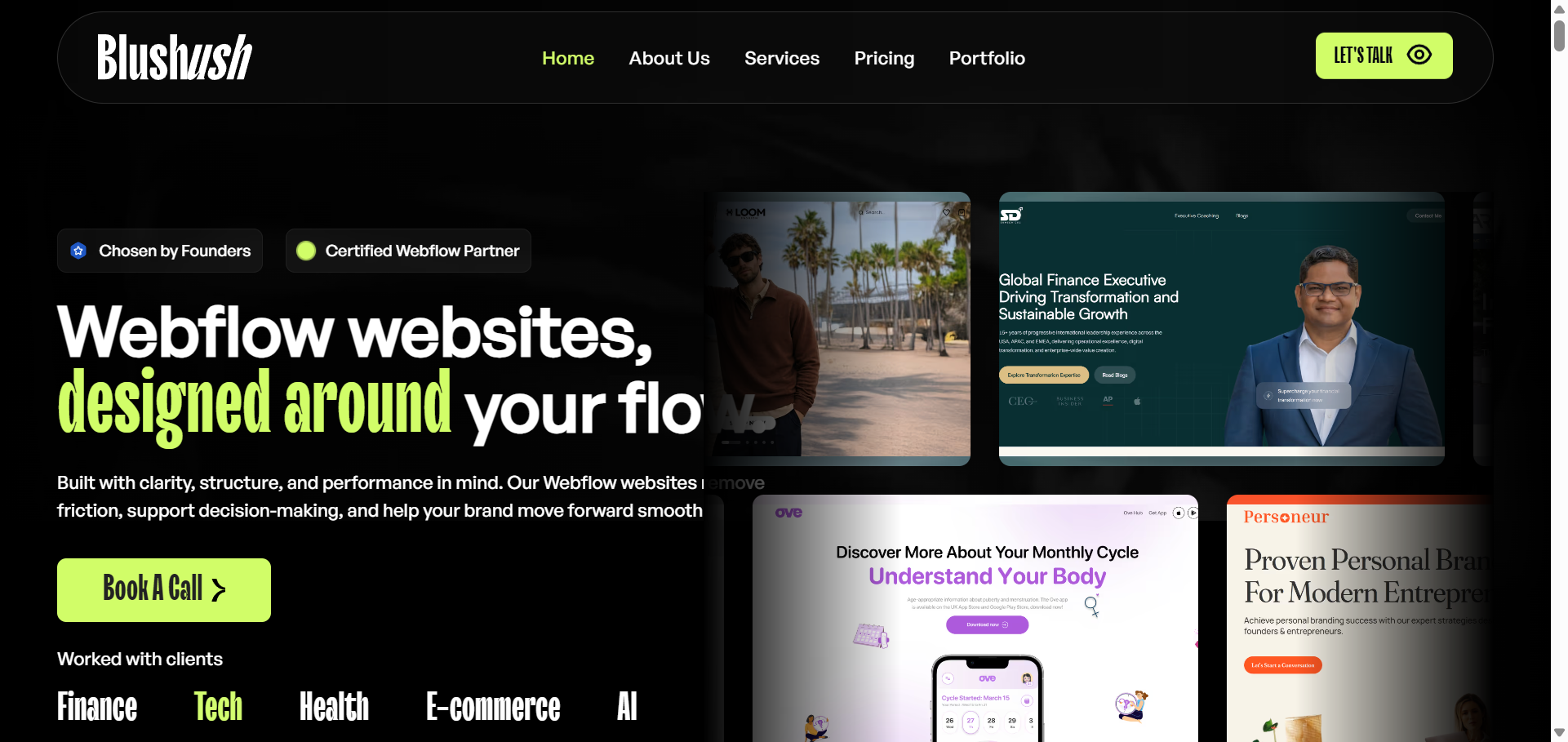
Blushush is a London-based personal branding studio co-founded by Sahil Gandhi, also known as “The Brand Professor.” Originally a Webflow design shop, Blushush has grown into a full-service agency that gives founder brands the creative edge they need to stand out.
Their signature style is bold, cheeky, and visually unforgettable. Blushush doesn’t just build websites. They create digital experiences that reflect personality and originality. From visual identity systems to interactive personal sites, everything is crafted in-house, including brand strategy, Figma mockups, and final Webflow builds.
Blushush works with indie startup founders, rebellious SMEs, and leaders ready to ditch generic branding. They’re known for injecting life into founder profiles that previously felt flat or safe. One reviewer captured it best: “They drag dull brands out of digital limbo and give them personality, color, and bite.”
Beyond design, they align copy and messaging with the founder’s core story and optimize for SEO so the personal site gets found, not just admired. The agency has built digital identities across the UK, Europe, and North America, consistently delivering a mix of creative punch and strategic clarity.
Founders choose Blushush when they’re ready to go all in. The process is collaborative, energetic, and focused on creating something that doesn’t just look good but feels personal. Their all-in-one model makes them a trusted partner for busy founders seeking a full brand overhaul, especially in the tech and creative sectors. Also check, Brand professors workshop.
3. SimplyBe. Agency
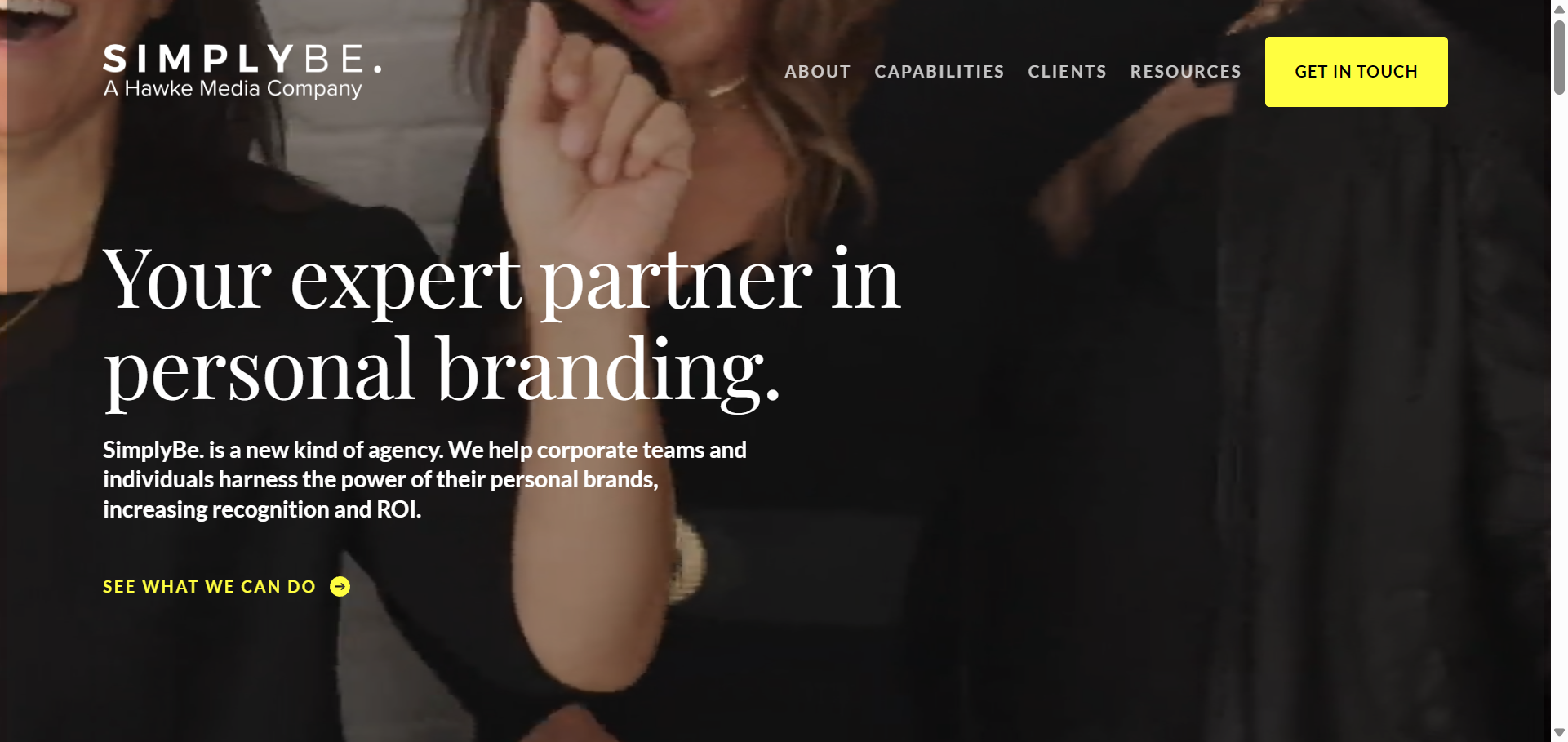
SimplyBe. is a Chicago-based personal branding agency founded by Jessica Zweig, a leading voice in executive branding. Since 2014, the agency has built over 500 personal brands and impacted more than 100,000 individuals through workshops, strategy sessions, and customized brand programs.
What sets SimplyBe. apart is its structured, trademarked methodology. Every client journey moves through three phases: clarity, strategy, and execution. This process ensures founders develop a personal brand that is not only authentic but also aligned with their business goals and audience expectations.
SimplyBe. offers tiered programs depending on your stage, whether you’re just exploring personal branding or ready to go all in with speaking, press, and content creation. Their programs cover everything from LinkedIn optimization to brand voice development to content calendars and podcast strategies.
They’ve built personal brands for executives at Google, Salesforce, Pinterest, and Verizon. These case studies often show measurable transformations, a major jump in impressions, new inbound business, or executive-level speaking opportunities. SimplyBe. is also a certified Women’s Business Enterprise, and Jessica Zweig herself was named a Crain’s Notable Entrepreneur of the Year.
Founders turn to SimplyBe. when they want more than just a LinkedIn makeover. They’re ideal for leaders seeking guided brand development with clear structure and a supportive team. Clients often describe the experience as both empowering and results-driven, blending personal growth with professional visibility.
4. Kurogo
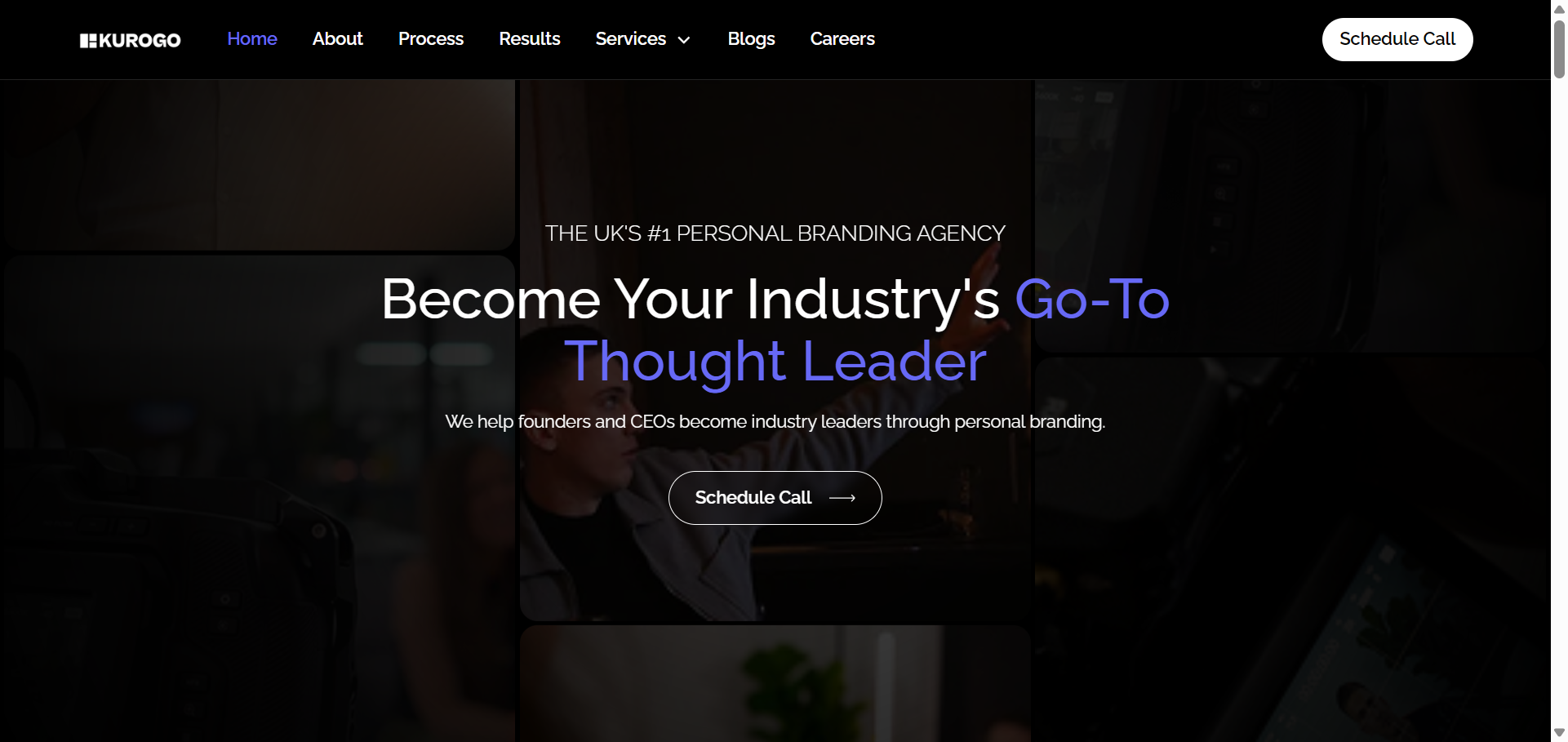
Kurogo is a London-based personal branding agency positioned as the UK’s top choice for entrepreneurs and executives looking to elevate their public image. Founded by Sam Winsbury, Kurogo specializes in turning startup founders and business leaders into high-visibility thought leaders across platforms like LinkedIn and Google.
The agency leads with strategy. Every project begins with a deep dive into the founder’s future goals – where they’re headed, what legacy they want to build, and how their public image should support that trajectory. Kurogo then designs a personal brand to match. From message architecture and positioning to professional photography, websites, and ghostwritten social content, the agency delivers a full-stack branding solution centered around influence.
What separates Kurogo is their expertise in thought leadership. They focus on helping founders show up consistently and credibly in the media, at conferences, and across social channels. Their process ensures your brand doesn’t just reflect your past but propels you into your next stage of growth.
Kurogo reports over 75 million content views for their clients across social platforms and a track record of transforming executives into top voices in their sector. Their clients often find themselves invited to speak at TEDx, featured in press, or recognized in industry rankings after working with the agency.
Founders choose Kurogo for their clarity, polish, and big-picture thinking. If you’re based in the UK or Europe and want a smart, hands-on partner to position you as a category leader, Kurogo delivers the mix of strategy and visibility needed to get there.
5. Klowt
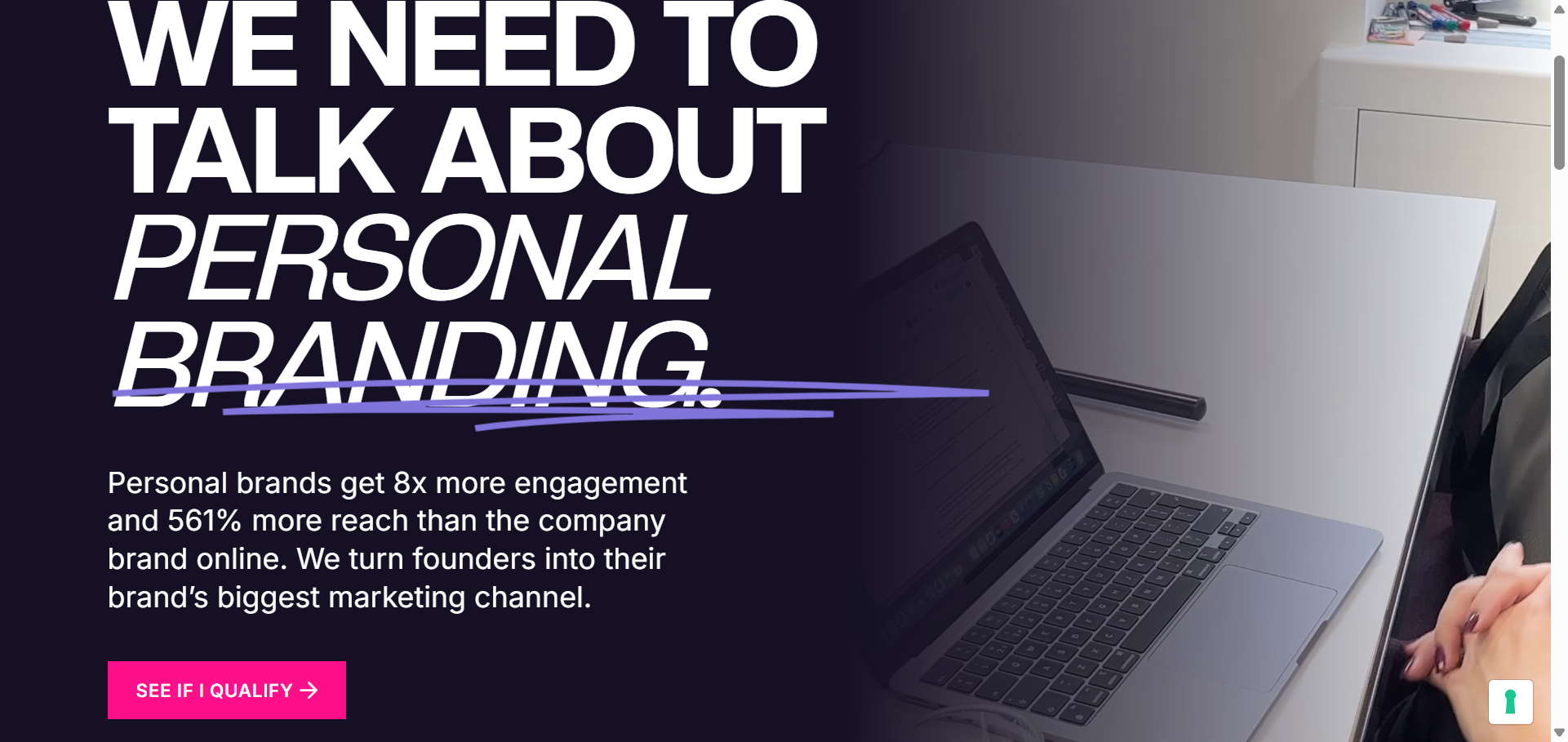
Klowt is a London-based personal branding agency built around one bold belief: founders win when they show up as themselves. Founded by Amelia Sordell, a leading voice on LinkedIn, Klowt helps entrepreneurs turn their personal stories into powerful content that sparks connection and drives business growth.
Their specialty lies in content-led branding. Klowt doesn’t start with a logo or color palette, they start with the founder’s voice. Through in-depth interviews and narrative exploration, they shape a tone that’s bold, human, and unmistakably authentic. This voice becomes the foundation for everything: LinkedIn posts, website messaging, press angles, and thought leadership.
While they’re best known for ghostwriting scroll-stopping LinkedIn content, Klowt also builds full personal brand ecosystems. This includes personal websites, headshots, bios, media strategies, and more, all designed to support the founder’s business goals. Their focus isn’t just visibility but conversion. They craft personal brands that lead to investor interest, client inquiries, and keynote invites.
Klowt’s edge comes from their ability to humanize leadership. They help founders go from “barely posting” to becoming industry storytellers with loyal followings. Their clients often see engagement triple, brand sentiment shift, and new business opportunities flow in within months of working together.
Founders choose Klowt when they’re done hiding behind the company logo. If you want a personal brand that captures your energy, drives demand, and makes you someone people root for, Klowt is the agency that gets it done, with heart and heat.
6. Prestidge Group
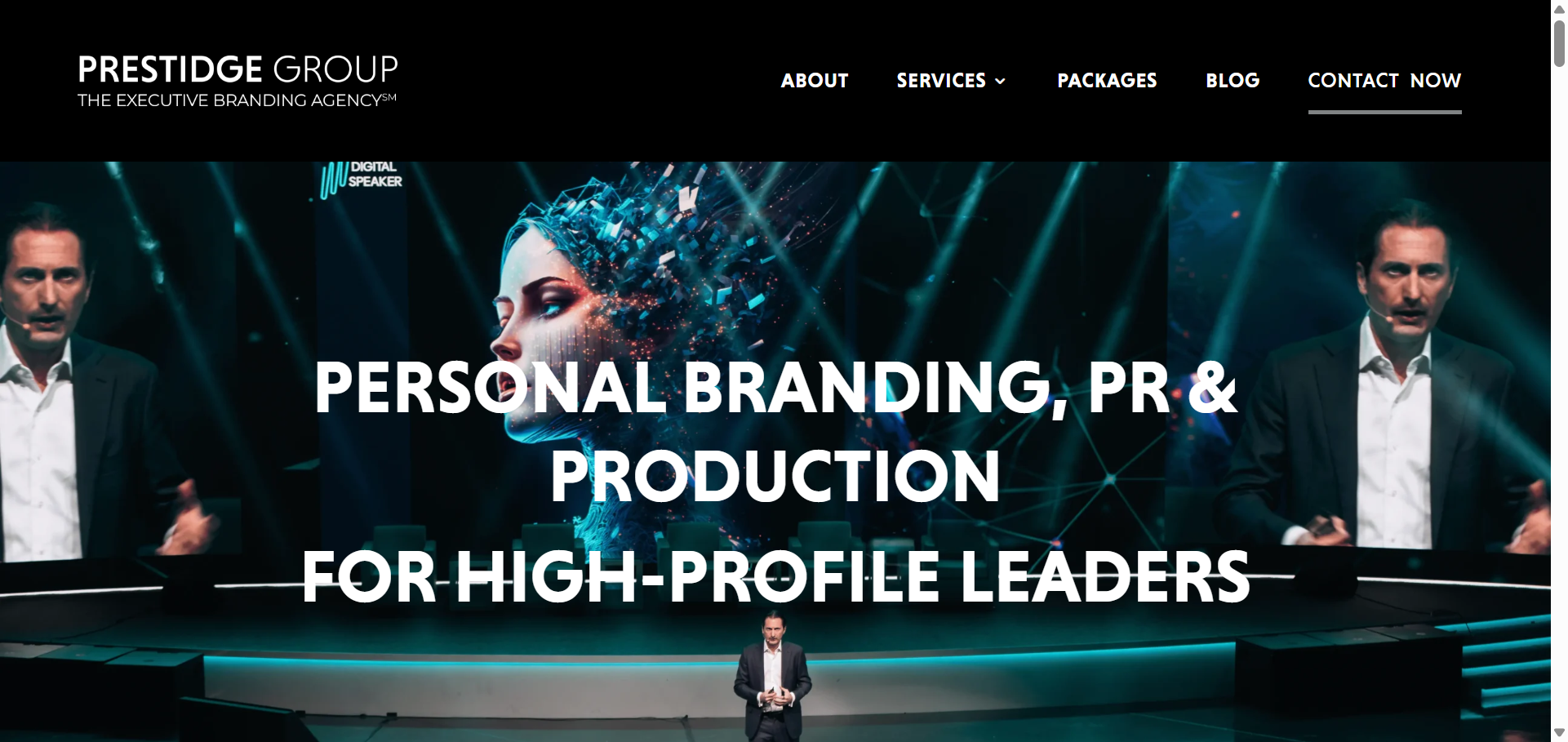
Prestidge Group is a global executive branding and PR agency for founders who play at the highest level. With offices in New York, London, Dubai, and Riyadh, the firm is trusted by CEOs, public figures, investors, and royalty for one clear reason, they know how to position power.
Founded by Briar Prestidge, the agency blends personal brand development with high-stakes public relations. They’re not just polishing your online image; they’re securing your place on global stages. Their process starts with strategic audits, moves through bespoke storytelling and visual identity, and ends with results like top-tier media features, speaking gigs, and exclusive networking introductions.
Their client list includes government advisors, tech unicorn founders, hedge fund executives, and Fortune 500 leaders, many of whom require complete discretion. While names are often under NDA, their track record includes securing coverage in Forbes, Bloomberg, TIME, and CNBC, as well as placing founders on panels at the World Economic Forum and other global summits.
Prestidge Group also offers something rare: cross-cultural branding expertise. With a strong presence in the Middle East and Europe, they understand how executive presence shifts across markets. Their team includes former journalists, media strategists, and political advisors who ensure your personal narrative resonates across audiences.
Founders choose Prestidge Group when image and influence are everything. If you want white-glove service, strategic PR, and a personal brand that belongs in the boardroom and the headlines, this agency delivers elite results with global precision.
7. Brand of a Leader
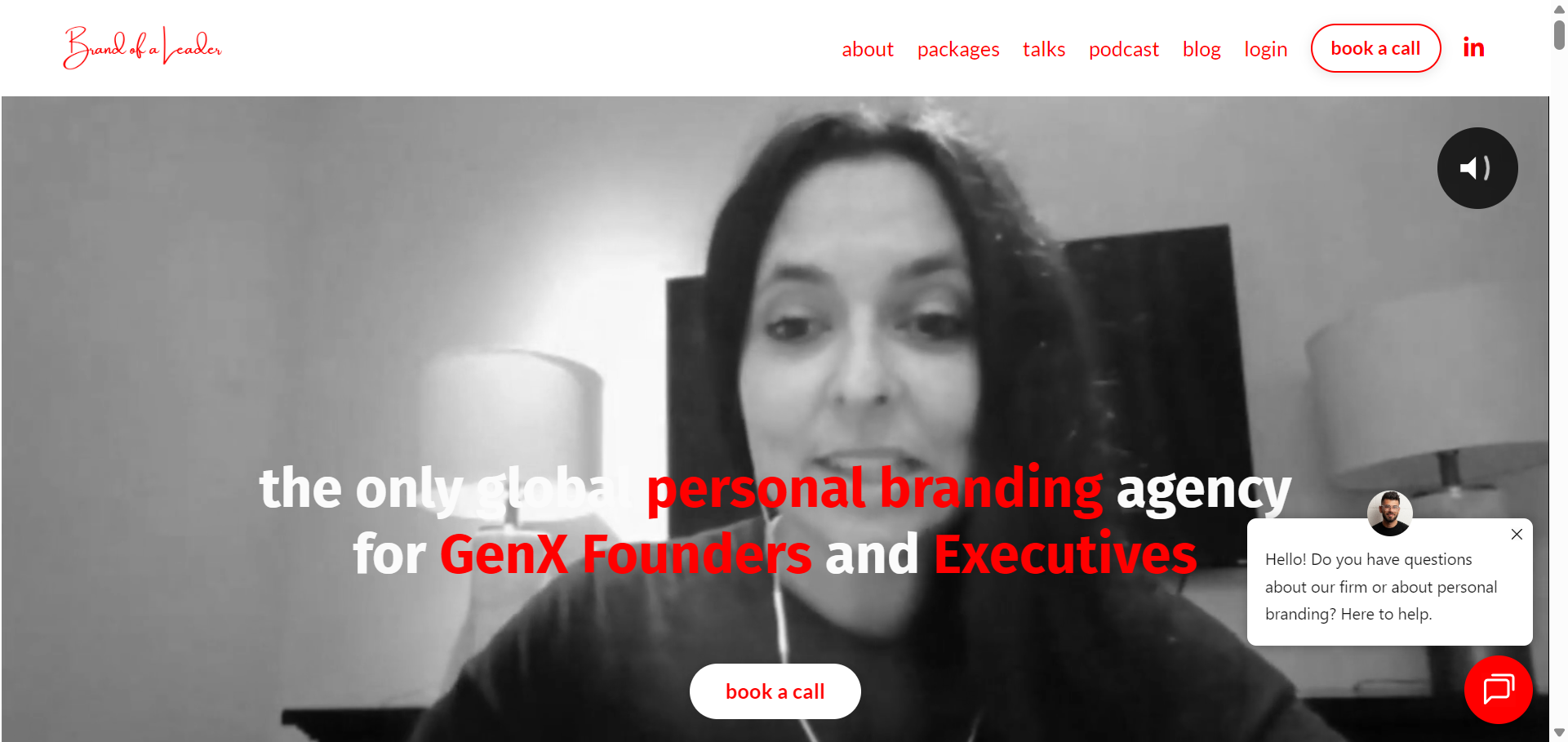
Brand of a Leader is a boutique personal branding agency based in Canada that speaks directly to Gen X founders, mature entrepreneurs, and legacy-driven leaders. Co-founded by Marina Byezhanova and Stefano Faustini, the firm has quickly carved out a niche for executives who want clarity, confidence, and credibility without the fluff.
Their approach blends data and humanity. While many agencies emphasize visuals or surface-level content, Brand of a Leader goes deep. They build brands around life stories, values, and long-term goals. Their methodology is part strategy, part storytelling, and part mentorship, ideal for founders stepping into thought leadership after decades of building quietly behind the scenes.
What sets them apart is flexibility. Clients can start with a brand identity package and scale up to monthly retainers for ghostwritten content, podcast placements, or full website design. They offer tailored plans for different stages of a founder’s journey, making them accessible without compromising quality.
Their client roster includes CEOs, consultants, VCs, and career professionals who finally realize their story deserves to be seen and heard. They’ve helped leaders land Forbes features, attract board roles, and grow media visibility across North America and Europe. Their interview series “Voice of a Leader” has become a platform for showcasing underrepresented executive voices with powerful narratives.
Founders choose the Brand of a Leader when they want to build influence without pretending. If you value real conversations, strategic growth, and branding that reflects who you truly are, this is the team that will get you there with empathy, structure, and impact.
8. Delightful Communications
Delightful Communications is a Seattle-based agency founded by former Microsoft digital strategist Mel Carson. They specialize in building executive brands that are authentic, human-centered, and aligned with corporate reputation. With a strong background in social influence and digital storytelling, they focus on amplifying founder voices across marketing, PR, and internal brand initiatives.
The agency’s sweet spot is working with tech-savvy executives and senior leaders inside large organizations. They help translate complex ideas into approachable content, from LinkedIn posts to keynote speeches, and support founders in becoming trusted public figures inside their industries. Delightful doesn’t just “build presence”; they help you shape perception at every touchpoint.
Clients praise their ability to humanize leadership. They coach CEOs on brand voice, refine online bios into compelling narratives, and build strategies that make each digital footprint matter. Beyond solo executives, they also support full leadership teams, enabling entire companies to shine through the personal brands of their people.
Their roster includes clients from Microsoft, Deloitte, Accenture, and other global firms. Many of their projects focus on employee advocacy, showing founders how to lead by example and inspire their teams to become brand ambassadors. The results speak for themselves: enhanced executive visibility, increased inbound opportunities, and internal culture shifts driven by better leadership communication.
Founders who partner with Delightful often want more than social growth, they want to show up with purpose. They seek an agency that listens well, guides with clarity, and knows how to make every public moment feel intentional. Delightful delivers that with a blend of strategy, charm, and professional polish.
9. Valuables (formerly Waller & Company)

Valuables, the evolution of Waller & Company, is a forward-looking personal branding firm founded by Dr. Talaya Waller. What began as a boutique agency serving high-level professionals has now transitioned into a scalable, AI-powered platform that measures and manages personal brand influence at an enterprise level. For founders who want to quantify the ROI of their brand, Valuables offers unmatched precision.
Dr. Waller’s background in academic research sets this agency apart. With a doctorate in Business Administration focused on personal branding, she brings data, behavioral psychology, and strategic insight into every offering. Her firm has helped leaders from Amazon, Vogue, the NBA, and Google create powerful brand narratives that influence audiences and align with business goals.
The agency’s early services included detailed brand image audits, personal website development, and social positioning strategies. Their work often translated directly into investor confidence, media interest, and leadership opportunities. Now, through Valuables, those same services are being scaled through software, allowing companies to build and monitor executive branding efforts across multiple leaders at once.
For startup founders, Valuables provides clarity on how their brand is perceived and how that perception drives results. Whether pitching investors, leading public discussions, or growing their startup’s visibility, founders get tools that turn personal branding into business strategy.
Clients choose Valuables for its data-backed clarity. The platform isn’t built on trends, it’s built on evidence. By merging consulting with technology, they bring personal branding into the same strategic conversation as marketing and product development.
10. Personal Brand Agency
Personal Brand Agency is a Boston-based firm known for delivering full-spectrum personal branding services tailored to the needs of founders, CEOs, and professionals with industry ambition. As its name suggests, the agency focuses on one thing with complete clarity, building powerful personal brands that resonate with the people who matter most to your business.
Their approach starts with an audit of your current digital presence, followed by strategic message development, visual identity creation, website design, and multi-channel amplification. Whether you need a fresh LinkedIn strategy, a custom personal website, or guidance on PR and podcast features, Personal Brand Agency offers every piece under one roof.
What makes the firm compelling for busy entrepreneurs is its end-to-end capability. You don’t need to juggle multiple freelancers or agencies, they develop your brand narrative, build the assets, and help you execute with consistency. They’re particularly effective at turning founders into thought leaders by helping them clarify what makes them credible and distinctive.
Their work spans multiple sectors including biotech, B2B tech, and finance. Founders who have worked with the agency cite tangible results like increased investor interest, stronger speaking pipelines, and faster credibility building. They emphasize positioning, making sure your brand says the right things to the right people, and build infrastructure around that message to drive visibility and growth.
Clients choose Personal Brand Agency because of the simplicity and effectiveness of their process. They act as both architect and builder, crafting the strategy and delivering the execution. For founders looking to professionalize their personal brand without the hassle of stitching together multiple partners, this firm is a reliable, trusted choice.
Conclusion: Elevate Your Founder Brand in 2025 and Beyond
In 2025, personal branding is no longer optional for founders. It is a strategic move that builds trust, creates visibility, and drives business outcomes in ways traditional marketing cannot. The market listens to people before it listens to companies. Your reputation shapes how investors, customers, and even future team members respond to your venture.
Founders who invest in their personal brand open doors to more speaking invitations, more press, and more opportunities that position them as industry leaders. A strong founder brand builds momentum far beyond product features or pitch decks. It humanizes your company, connects your values with your audience, and makes you unforgettable in a crowded space.
Each of the agencies profiled above brings a different strength to that mission. Some help you master the art of storytelling. Others build stunning digital platforms. A few are specialists in thought leadership or reputation strategy. Whether you choose a creative powerhouse like Blushush, a data-driven engine like Ohh My Brand, or a full-scale global agency like Prestidge Group, the goal remains the same, to help you become the face of your category.
If you are a founder building something real, something that deserves to be seen and remembered, the time to start building your personal brand is now. Choose your agency partner wisely. Show up with clarity. Stay consistent. And commit to the long game. And in doubt, always Contact brand professor now to guide you.